



Part two in an epic four part series on how to gamify *any* lesson plan!
In yesterday’s post, we talked about a super easy dice-rolling warm-up activity designed to add interest and build empathy to any lesson plan. Today, we’ll take our gaming efforts one step further and walk you through some possibilities of what to do once your classes have rolled their way into your daily Text Quest. Because after all — part of the joy of winning is in the inevitable reward that comes with it, right?
We’ll get back to our game in a second. But first — a bite-sized bit of background on human behavior and some quick, pop science behind motivational psychology.
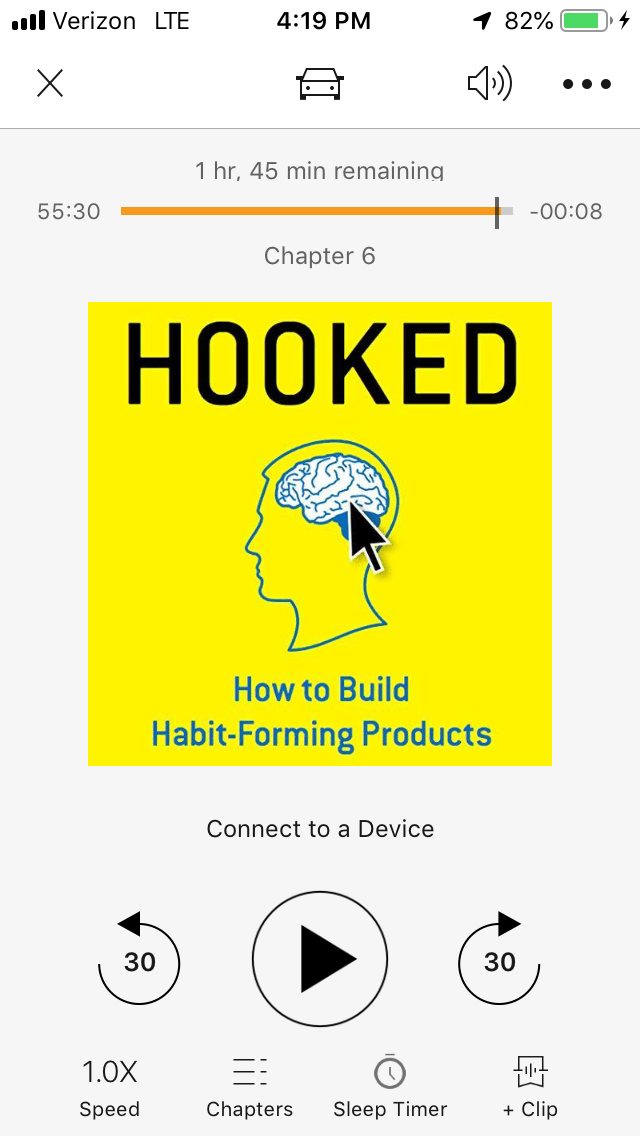
Lately, I’ve been reading (read: listening on Audible to) a fantastic book by researcher, entrepreneur, and former Stanford Graduate School of Business professor Nir Eyal called Hooked: How to Build Habit Forming Products. And according to the author, the most effective of habit forming products all share the common bond that they make use of what he terms the three major types of variable rewards:

1. Rewards of the Self (mastery, autonomy)
2. Rewards of the Tribe (social status, interaction)
3. Rewards of the Hunt (discovery, surprise)
Think about a simple daily routine activity like checking your email. Rewards of the Self? Achieving that elusive and brag-worthy “Inbox Zero,” and the chance to feel — if only for a few fleeting minutes — a powerful sense of pride and accomplishment that you “really have your act together.” Rewards of the Tribe? A social connectedness that comes from opening messages with news from friends, loved ones, and colleagues. Not only are you on top of the latest information, you’re infinitely more connected to people who matter to you (and maybe even a few that don’t) as a result of your actions. That’s a win / win. And Rewards of the Hunt? Hidden amongst the dozens (if not hundreds) of junk messages that crowd your mailbox with each passing day, your brain can’t help but be flooded with an added rush of adrenaline each time you experience the joy of an exciting new discovery. Like finding just the right LEGO brick in a giant bucket: with excitement comes novelty and an increased sense of value, as you stumble upon those rare and intermittent diamonds in the rough hidden amid all those mindless hours of sifting and searching. Sure, it’s not every time that you check your email that something in there is actually worth reading — but the intermittent reward happens *just often enough* to keep you coming back for those glorious and predictably unpredictable blasts of dopamine. In fact, it’s really not all that different from pulling the lever on a slot machine.
So how does this relate to the classroom? And just what the heck is a #Hashtag Hunt?
Here we go.
To set up a super easy #Hashtag Hunt, you’ll want to snag the following items:
- Clear plastic page protectors
- Six sheets of individually labeled sheets of paper
- A handful of random “wild cards” hidden on the reverse side of your six sheets of paper.
To set up your #Hashtag Hunt, label each blank sheet of paper with a different look-for item for each of the six available plastic sleeves. Each plastic sleeve now represents a different choice “station” with its own look-for item for the day. And you can use the reverse side of a few of those same plastic page protectors to stash a handful of strategically placed “wild cards” (which we’ll get to in just a second).
Here’s how to play:


Once all teams have concluded their Lucky Dice Warm-Up, the class will transition to the day’s #Hashtag Hunt, which gives teams the opportunity to review the previous night’s reading in search of specific annotations or examples of textual evidence from one of your six recurring thematic “look-for” items before the time limit for the activity expires. No fancy tech or Twitter required — we’re just using the familiar language of a “hashtag” here to help students understand the idea that a particular thematic concept will likely be showing up more than once as they read, and so they can sharpen their Spidey Senses and start to grow eyes for examples of it as they make their way through the novel. And regardless of the particular hashtag a group selects on a given day, the process is exactly the same: each team will simply mark their findings either on a single sheet of paper (one per group) or in an electronic document (shared with the teacher).
For my unit on the Adventures of Huckleberry Finn, I selected these six look-for items as follows:
#HuckLies– Examples where a character lies, deceives, or stretches the truth
#HuckLearns – Instances where Twain satirizes a character’s ignorance
#HuckFaith – Moments where characters face moral dilemmas or questions of faith
#HuckFree – Evidence where characters embrace or struggle with freedom
#HuckRace – Cases where race plays a role in a character’s behavior or attitude
#HuckNature – Items directly shaped by nature (i.e. wilderness) or human nature
Naturally, teachers can substitute in different thematic look-for stations based on the unique needs of their unit plan, but I like to offer six default look-for items, that way even the group that’s left with the final pick of the day still feels as if they’ve had a sense of “choice” and autonomy in their station select — albeit slightly more limited than the groups that selected before them — which really helps to increase a sense of buy in from the get-go. The only thing more powerful than ownership is authorship.


Here’s why this easy to use pedagogy will get your students “hooked” on what might otherwise be a ho-hum annotation exercise:


Either way, groups can’t help but find themselves working *that much harder*, and the house (or in this case, the teacher) always wins.
Once time has expired for the day’s #Hashtag Hunt, we’ll immediately collect one sheet of paper from each group and tally the results. The count totals will then be logged overnight in our unit-long score sheets, and we’re off to our Socratic Seminar Showdown.
More on that one tomorrow!